Work worth doing
Zomma builds computer-use agents for the financial back office. They work on the portals, registries, PDFs, case managers and internal tools a team already uses, and hand back a finished case file: a screenshot behind every finding and a recommendation for the person who decides. Starting with compliance for payment companies.
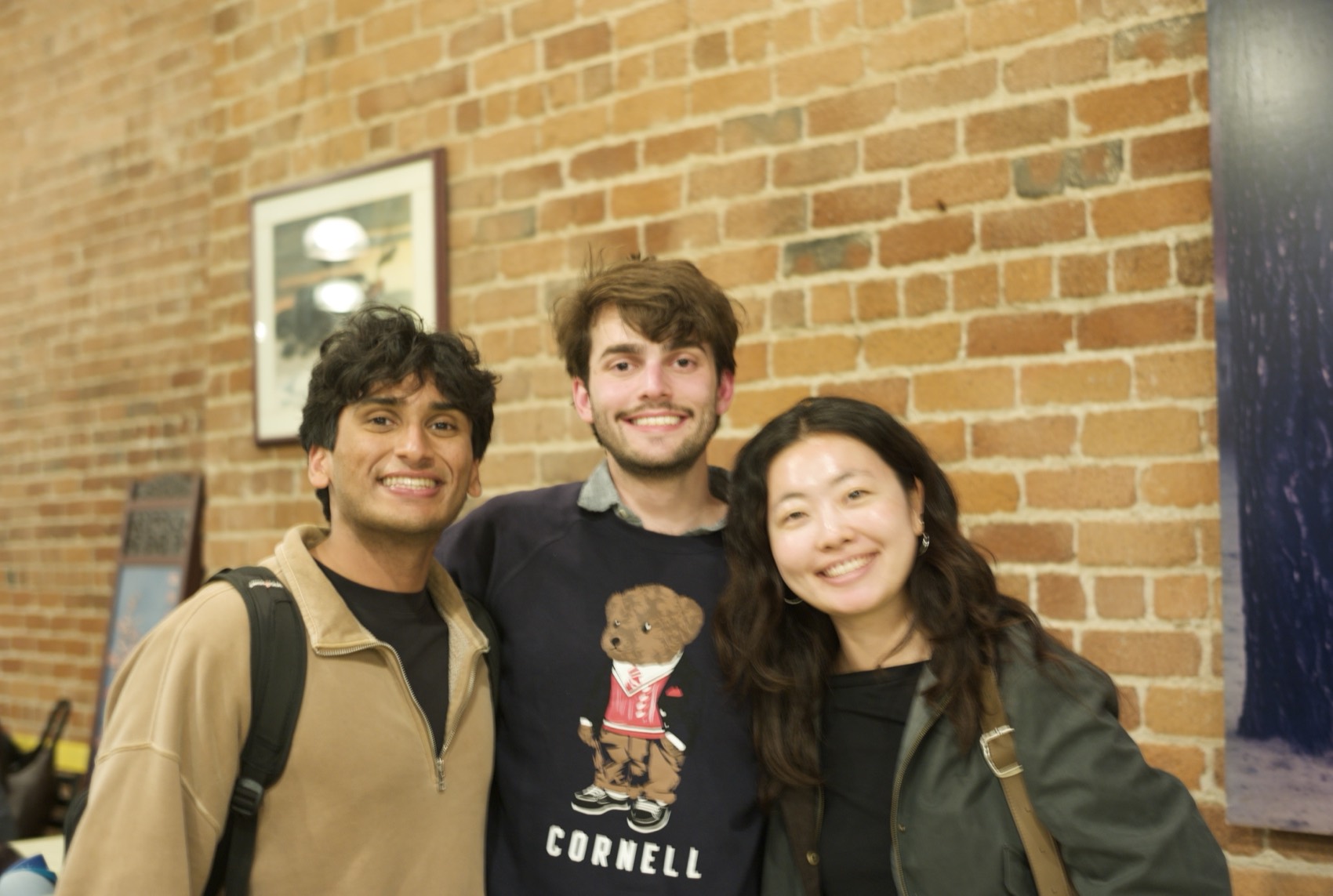
varun, cash, jihyun
For the past few hundred years, every leap in technology promised us the same: take the heavy, repeating work off our hands and give back our time, our judgment, our ambition. And it mostly did; we built more and reached further than our grandparents could picture.
But somewhere along the way, work became a chore. The most capable people spend their days on work beneath their judgment, being the glue between legacy systems. I spent years at Goldman Sachs, then at a wealth tech startup, then launching a hedge fund. And everywhere, I saw the best operators, who were often the best systems thinkers, overwhelmed with mechanical work with less left for the work only they could do.
With today's leap, we see the same promise but also fear what it will take away. Automation as lost jobs. AI coming for people's work. That story is corrosive because it treats people as a cost to cut, when they are the source of judgment, creativity and relationship no system yet has.
Fear is a poor foundation for the most important tool of our time because it gives away human agency that will always be ours. The goal was never fewer people; it is people freed for more of what is human, new, and worth doing.
This year, for the first time, computer use became good enough to make that real. AI agents can finally do the work people do, learn how systems run on screens, and hand it back multiplied. We are building the most ambitious version we can imagine. Not something that replaces people, but something that raises the bar of what every single team can become.
Work should make us more ourselves, not less. And we are building it, instead of fearing it. If that's the future you believe in, come build it with us.